
Pothos care guide
Epipremnum aureum
Also known as: Golden pothos, Devil's ivy
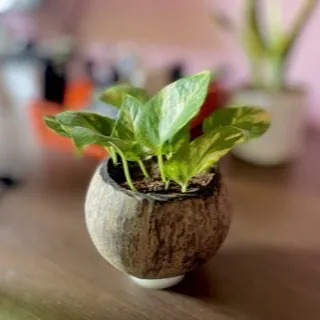
Pothos at a glance
- Watering
- Every 5 days in spring–summer, every 7 days in autumn, every 14 days in winter
- Winter
- 8°C (46°F) or above
- Repotting
- Spring–Summer (Mar–Sep)
- Light
- It copes with anything from bright shade to half shade and generally holds on under room lighting alone; direct sun scorches it, and deep shade fades the variegation.
- Pets and children
- Considered toxic
How often to water Pothos
- Spring–Summer (Mar–Sep)
- Every 5 days
- Water thoroughly once the topsoil dries, as a guide; in midsummer water in the morning or evening and empty the saucer.
- Autumn (Oct–Nov)
- Every 7 days
- Generally water a day or two after the soil dries; as the days shorten, it dries more slowly.
- Winter (Dec–Feb)
- Every 14 days
- Water lightly about four to five days after the soil dries; kept slightly on the dry side, it stands the cold better.
Light and placement for Pothos
It copes with anything from bright shade to half shade and generally holds on under room lighting alone; direct sun scorches it, and deep shade fades the variegation.
Overwintering Pothos
8°C (46°F) or aboveOverwintering guide
Bring it indoors when nights dip under about 10°C and keep it above roughly 8°C; move it away from the window at night and water less so the roots stay warm.
Fertilizing and repotting Pothos
Fertilizer
From May to September, slow-release fertilizer about every two months or diluted liquid feed around twice a month; too much feeding reduces the variegation, so go easy.
Recommended fertilizers
When to repot
Spring–Summer (Mar–Sep)
Common problems with Pothos
- Water left standing in the saucer rots the roots and blackens the stem base.
- Set on a cold windowsill in winter, the leaves yellow and drop.
- In a dark spot the variegation vanishes and the vines turn thin and plain green.
Pets and children
Considered toxic
The leaves and stems contain calcium oxalate, and chewing causes mouth pain, drooling, and vomiting; hang it where the trailing vines cannot be reached, and consult a veterinarian, or a doctor for a child, if eaten.
Tips for growing Pothos
- Cutting back overlong vines prompts new shoots from the base and a fuller shape.
- Cuttings root in plain water, and planting them back into the pot adds volume.
- It also grows in hydroculture; change the water and use a root-rot preventive.
Pothos FAQ
Is Pothos toxic to cats and dogs?
Considered toxic. The leaves and stems contain calcium oxalate, and chewing causes mouth pain, drooling, and vomiting; hang it where the trailing vines cannot be reached, and consult a veterinarian, or a doctor for a child, if eaten.
Can Pothos stay outdoors in winter?
It overwinters at 8°C (46°F) or above. Bring it indoors when nights dip under about 10°C and keep it above roughly 8°C; move it away from the window at night and water less so the roots stay warm.
Why is my Pothos struggling?
Water left standing in the saucer rots the roots and blackens the stem base. Set on a cold windowsill in winter, the leaves yellow and drop.
Articles related to Pothos
These are AI-generated general guidelines. They vary with the variety, the placement and the pot size. For effects on pets or children, consult a veterinarian or a doctor.
Keep your plant log going
Greenery is a free app that keeps your plant care going, with watering reminders and photo records. Available on iOS and Android.

